10 Surprising Uses for Gourmet Mushrooms

Mushrooms, or Fungi, are an interesting kingdom (they are classified as neither plant nor animal!) and are also capable of being used in a variety of interesting ways. When you first get your hands on a variety of our gourmet mushrooms like Dove Oyster, we recommend nothing more than sautéing them to perfection and using simple seasonings like salt, pepper, and garlic powder to truly enjoy the unique taste and texture these mushrooms have to offer. But, what about the tenth time you get your hands on them? Below, we have complied a list of ideas for rather unorthodox or less common uses for gourmet mushrooms that are as interesting as mushrooms themselves!

  1. Plant-Based “Seafood” Substitute

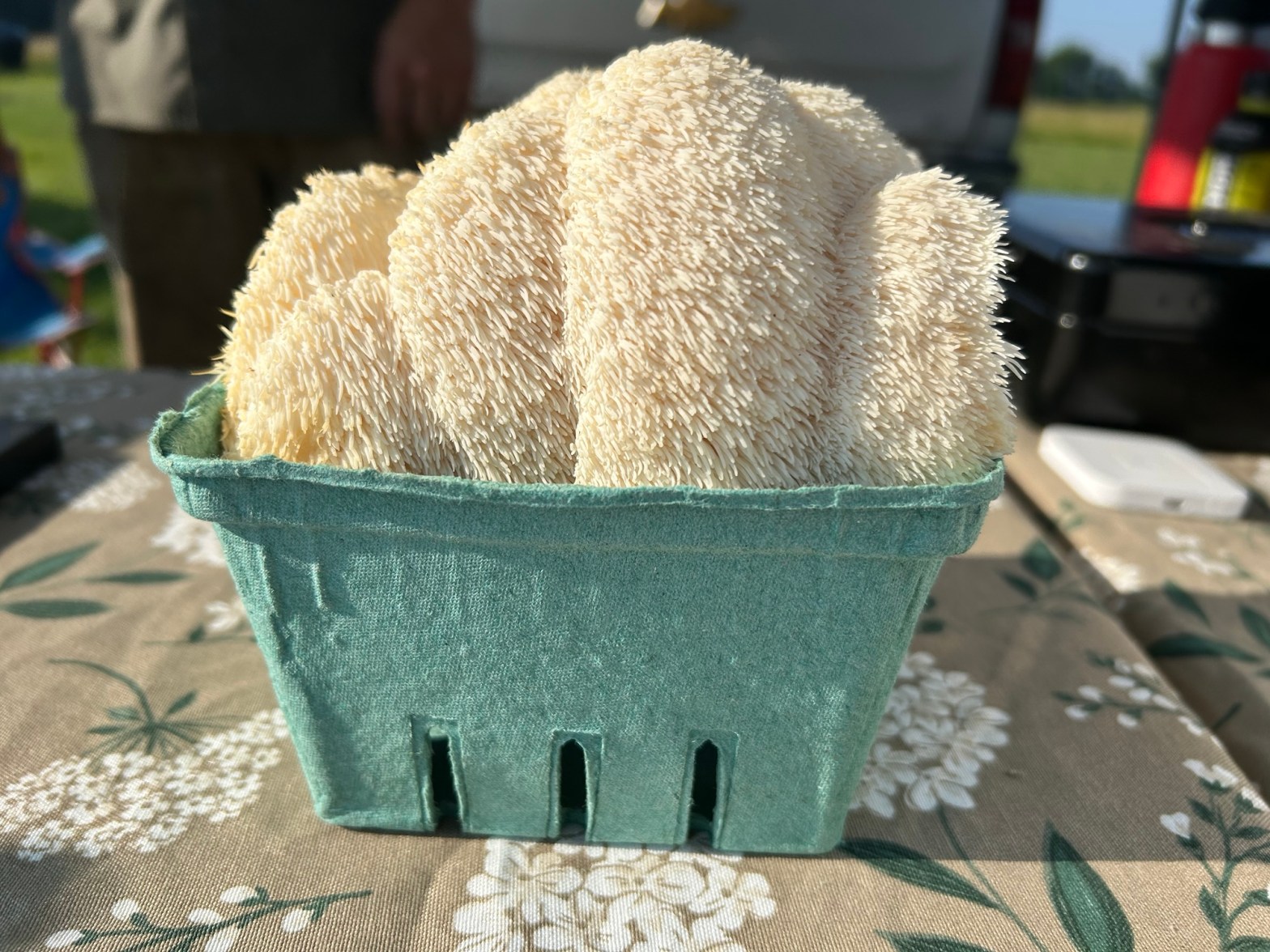
We’re looking at lion’s mane mushrooms for this point! They have a naturally meaty texture that makes them ideal for creations like mock crab cakes, scallops, or lobster rolls. They have a flavor, especially when sautéed with butter and seaweed seasoning, that is incredibly similar to seafood. This is useful for adventurous eaters, those with allergies or those who avoid certain types of seafood for religious reasons!
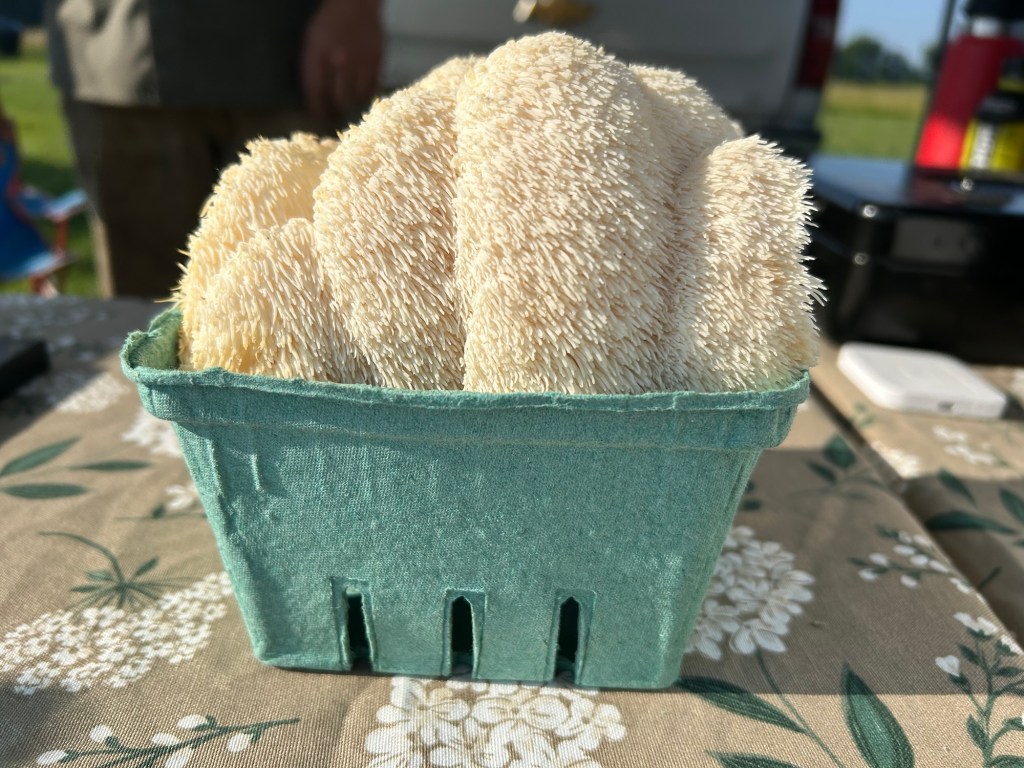
2. Natural Umami Powder

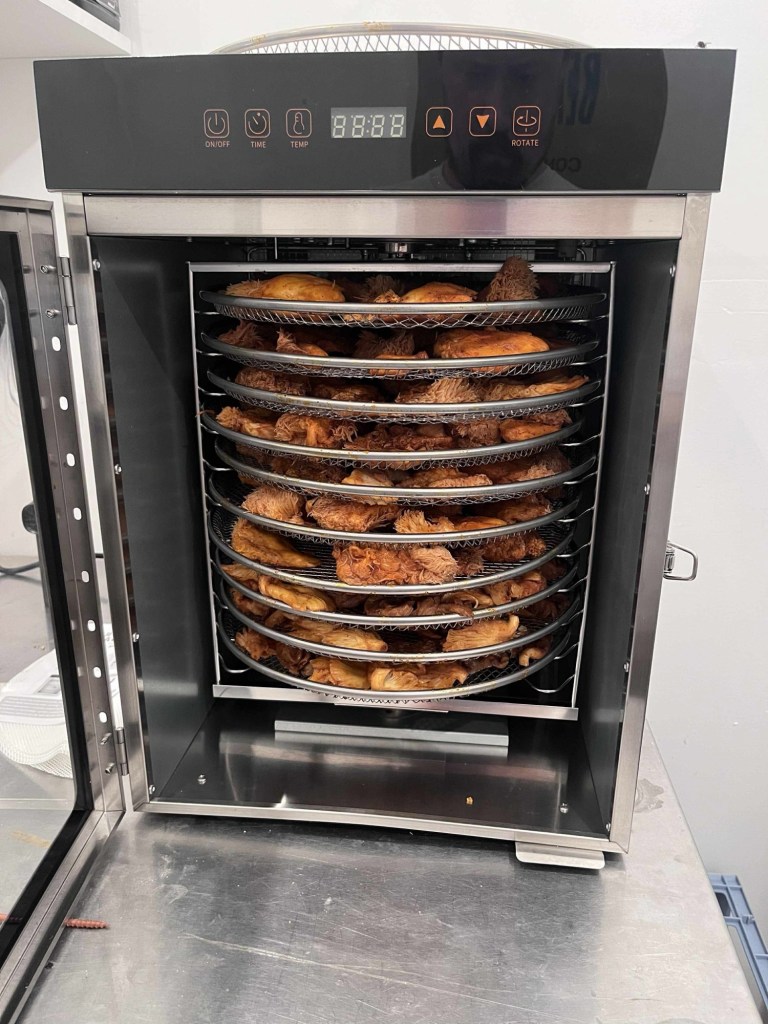
Dehydrate any variety of Oyster mushroom, Chestnut mushroom, or Lion’s mane and then grind them into a fine powder. This can be used as an all natural seasoning. You can sprinkle this on dishes like soups, eggs, or roasted veggies to enhance the flavor. Even if you don’t own a dehydrator, it is possible to dehydrate gourmet mushrooms in the oven but the process will take longer.

3. Coffee Alternative

While dehydrating mushrooms is still fresh on our mind, dried lion’s mane and oyster mushrooms can be blended with roasted chicory or dandelion root to make a gut-friendly, caffeine free coffee substitute with earthy depth. As an added benefit, at Bright Cap Mushrooms Farm our mushrooms are never treated with chemicals or pesticides, so when you use them in this way you know exactly what’s in your morning coffee! The same can’t necessarily be said for run of the mill coffee grounds.

4. Homemade Mushroom Jerky

This point is especially for chestnut and oyster mushroom varieties. They can be marinated in soy sauce, maple syrup, and spices, then slow-dehydrated or baked to create a savory mushroom jerky. This is a plant based snack packed with flavor! Perfect for mushroom lovers, adventurous eaters, and anyone with the tickborne illness Alpha-Gal that can’t have typical beef jerky.
5. Natural Brain Booster

Lion’s mane has been studies for it’s potential to support memory and nerve regeneration! This is thought to be thanks to compounds like hericenones and erinacines. Many people add this gourmet mushroom variety to their diets as a brain-boosting superfood. If you want more info, check out our blog post about the health benefits of lion’s mane mushrooms :

6. Vegan “Bacon” Strips

To make vegan “bacon” strips, thinly slice oyster mushrooms (especially pink oyster) and crisp them up in a skillet with smoked paprika and tamari. The result will be a shocking delicious bacon alternative that tastes both crunchy and smoky. And as a bonus, easy to make!

7. Mushroom Leather (Experimental Use1)

Scientists and artisans have begun using mycelium (simply, the root or “plant-like” structure of mushrooms) to make leather alternatives. Oyster mushroom mycelium has been part of these experiments. While this use isn’t edible, we thought it was interesting and worth a mention.

8. Gourmet Broth Cubes

To make gourmet broth cubes, you can simply cook down a mix of chestnut and oyster mushrooms with garlic, onions, herbs, and a bit of salt. Then, freeze them in ice cube trays of quick and flavorful mushroom stock cubes. This is perfect for instant soup or ramen upgrades!

9.Gut-Friendly Meat Extender

You can finely chop mushrooms and mix them into ground meat (like burgers, tacos, or meatloaf). This will reduce the fat, boost nutrition, and make the meal easier to digest. This is especially true when you are using oyster or chestnut mushrooms because they are mild and blend well.

Making easy Mushroom Meatloaf 😋

10. Unique Desert Infusions

While this sounds pretty far off the beaten path, it is possible to use lion’s mane mushrooms to steep them in cream or milk for desert recipes. Try infusing it into a panna cotta or ice cream base for an earthy, nutty depth of flavor that will surprise and delight!

We hope this list of surprising uses for gourmet mushrooms will be either useful or interesting to you. Have a wonderful, mushroom-filled week!

-The Bright Cap Mushroom Team
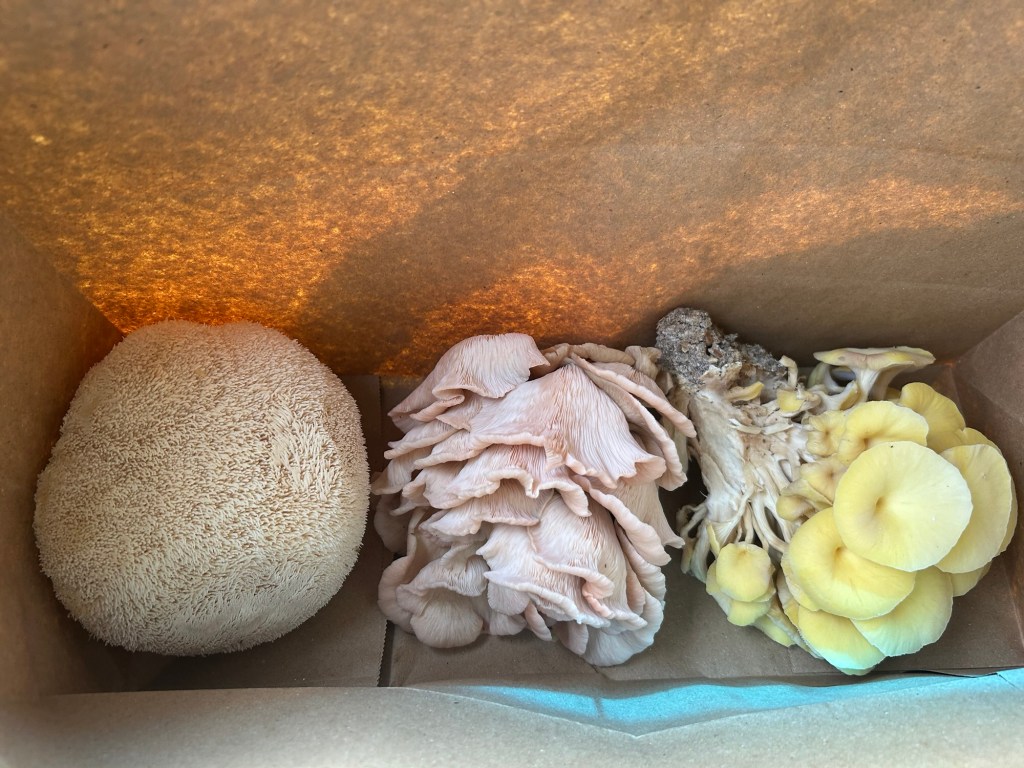
How to Grow Gourmet Mushrooms at Home (Even If You’ve Never Grown Mushrooms Before!)

Welcome to Bright Cap Mushroom Farm! We’re so glad you’re here. If you’ve got one of our Gourmet Mushroom Grow Kits in hand, you’re just days away from harvesting your own fresh, delicious mushrooms right from your kitchen counter. Growing mushrooms at home might sound tricky, but we’ve made it simple and fun.

Here’s everything you need to know to get started:

First off, so what’s in the box?

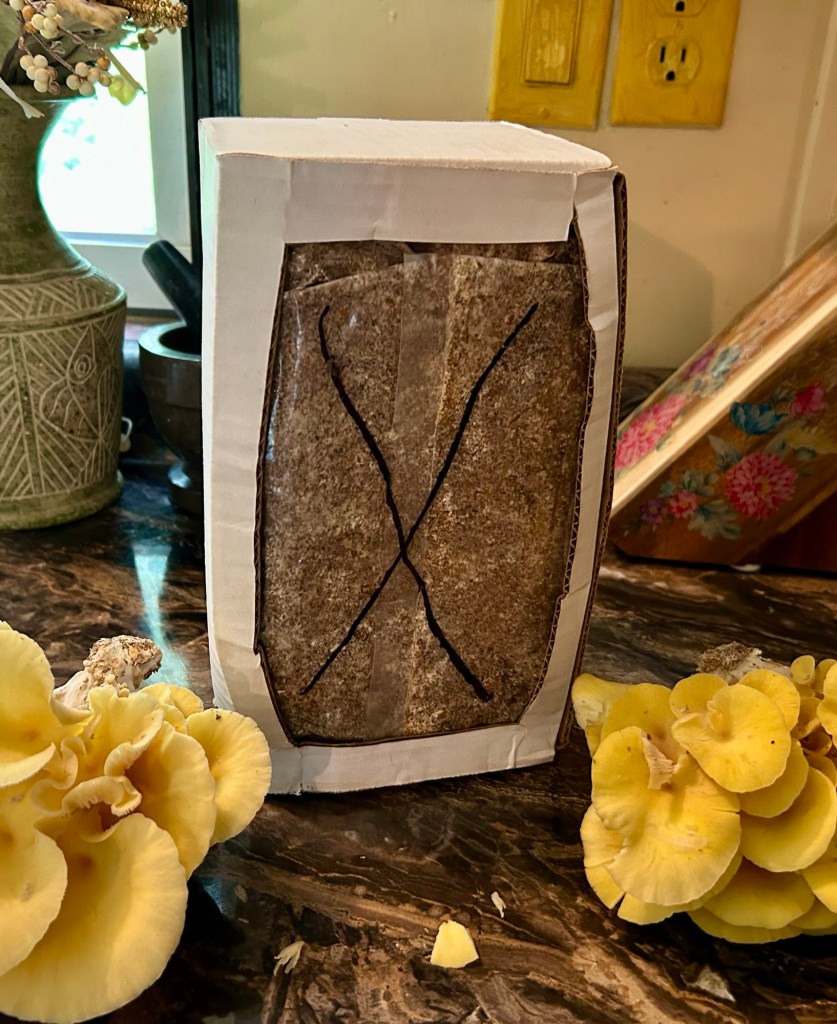
Your kit includes a fully colonized mushroom block (that means the mycelium has done most of the hard work already!) sealed in a breathable bag. It’s ready to fruit, just follow these easy steps below!

Step 1: Cut an “X” and Set It Up

Find the marked area on the bag and use a clean knife or scissors to cut an “X” about 2–3 inches across. Keep the block inside the box to help support it and catch moisture.

Where to place it:

Choose a spot with indirect sunlight (like a kitchen counter or shelf near a window). Bright room light is great, but avoid direct sun or heat.

Step 2: Mist and Keep It Moist

Mushrooms love humidity. Mist the cut with clean water 2–3 times a day to keep the surface moist. If you notice it drying out quickly, you can:

Lightly tent a clean plastic bag over the box to hold in moisture (just leave a few gaps for airflow).

Alternatively you can place it near a humidifier or set it in a room that naturally has higher humidity, like a bathroom with a window.

Misting with water.

Step 3: Watch for “Pins”

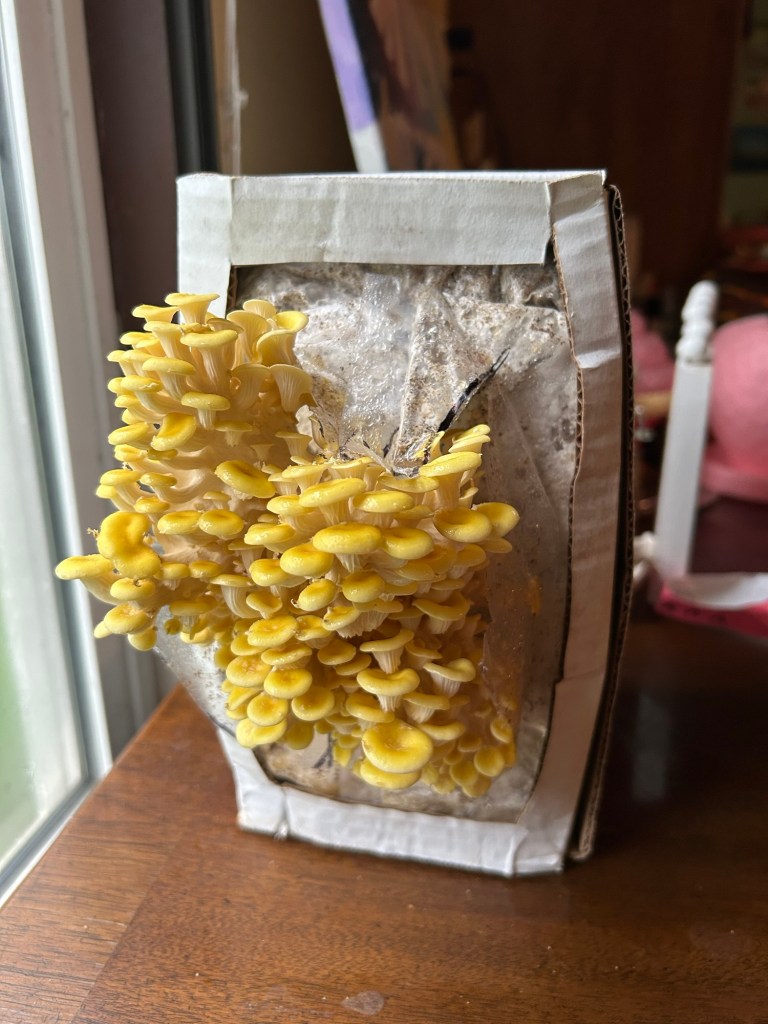
In about 5 to 10 days, you’ll start to see tiny baby mushrooms (called pins) poking out. This is your cue to keep misting and get excited. Harvest day is close!

Pins of golden oyster appeared on day 4 after cutting open and consistently misting with water! They are a little early
Day 7 after cutting and beginning misting. (only 3 days after the first sign of pinning!)

Step 4: Harvest Time

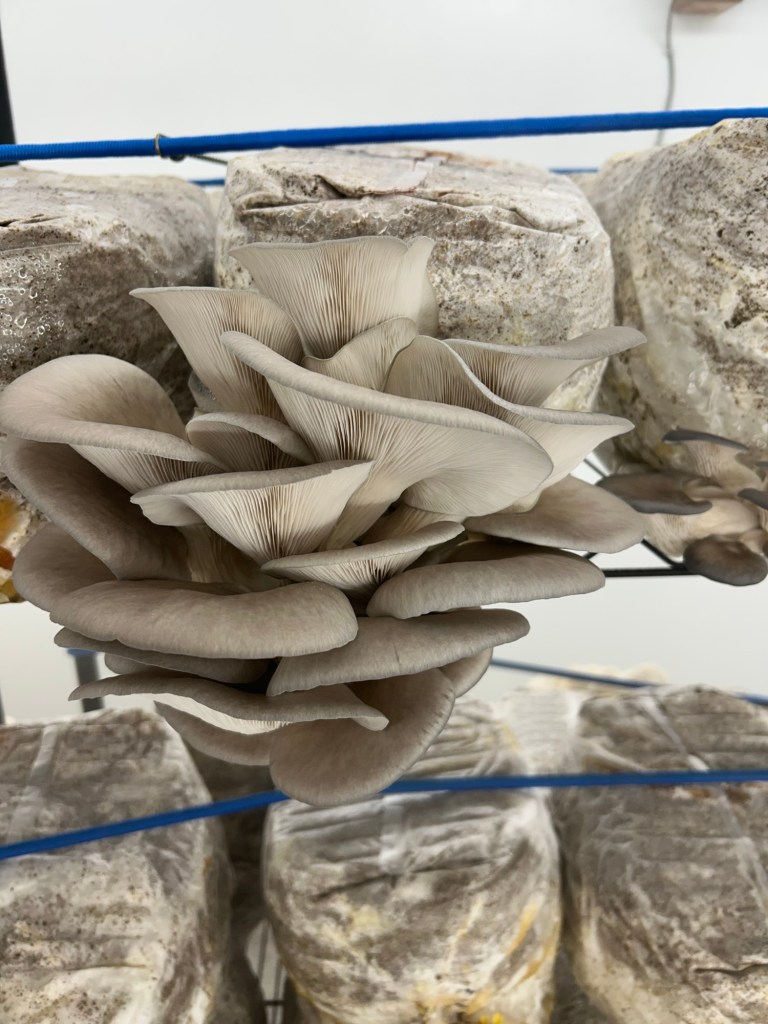
This will look different depending on the variety of mushroom you are growing. If you have Dove Oyster mushrooms, the mushrooms grow large and the edges of their caps begin to flatten out (but before they get too wavy) it’s time to harvest. This usually happens within 5–7 days after pinning.

For Golden Oyster mushrooms, they are ready to harvest when the caps are open and have started to flatten out. The clusters should look full, vibrant, and golden yellow. The stems are short, and the caps haven’t started to dry or curl upward.

Golden Oyster Mushrooms, harvest now!

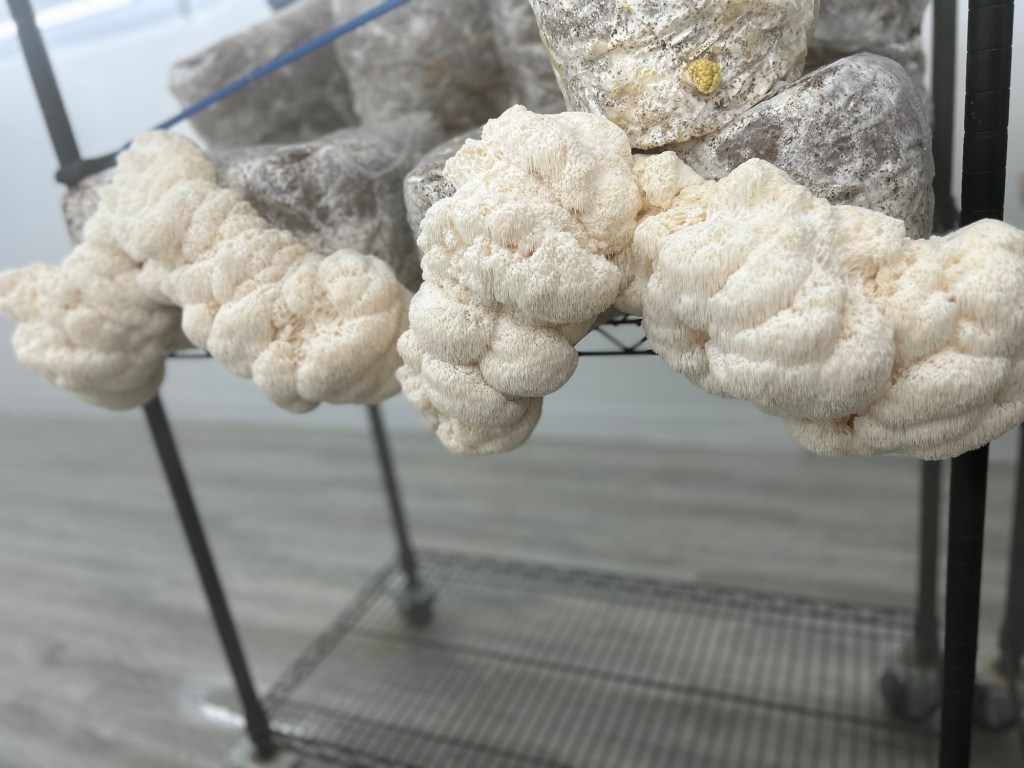
For lion’s mane, you’re looking for the spines (or “teeth”) to be clearly visible and about ¼ to ½ inch long. The mushroom looks full and fluffy, like a lion’s mane or shaggy pom-pom and white color is still bright, with no yellow or brown discoloration. Err on the side of harvesting a little early with lion’s mane, they can over-ripen quickly!

To harvest:

Gently twist the whole cluster off at the base, or use a clean knife to cut them off. That’s it!

Step 5: Grow Again!

Once you harvest, start misting again for a second flush of mushrooms.

Most kits will grow 2–3 flushes if cared for properly!

Enjoy Your Harvest!!

Got Questions?

We’re here for you! If you need help or want to share your mushroom-growing success, tag us on social media or shoot us a message.

Happy growing,

—The Bright Cap Mushroom Farm Team

How to Grill Mushrooms This Summer

Your guide to smoky, juicy perfection on the grill!

Summer might off to a slow start this year, but that doesn’t mean your grill has to. Whether you’re planning backyard BBQs, camping trips, or just dinner on the deck, mushrooms are a grilling superstar.

Here’s how to make the most of them on the grill this season.

Why Grill Mushrooms?

Grilling brings out the rich, savory flavor of mushrooms. The heat caramelizes their natural sugars, gives them a delicious smoky taste, and transforms their texture into something juicy and meaty. They’re a hit with vegetarians and meat-lovers alike.

Best Mushrooms for Grilling

At Bright Cap, our lion’s mane and oyster mushrooms are ideal for grilling:

Lion’s Mane – When sliced thick, it takes on a meaty texture that’s perfect for steaks, “crab cake” patties, or grilled slabs with your favorite marinade.

Oyster Mushrooms – Tender and lightly crispy when grilled in clusters or skewered. They soak up flavor like a sponge!

Simple Grilling Method

You’ll need:

Bright Cap lion’s mane or any color of oyster mushrooms

Olive oil or avocado oil

Salt + pepper

Optional: balsamic vinegar, garlic powder, smoked paprika, soy sauce, lemon juice, or your favorite BBQ rub

Basic steps:

Prep your mushrooms: Gently clean with a dry or damp cloth(seriously, don’t soak!!). Slice lion’s mane into thick rounds or “steaks.” Leave oyster mushrooms in small clusters, or thread them onto skewers.

Season: Drizzle with oil and sprinkle with salt and pepper. Add optional seasonings or a quick marinade (see below).

Grill: Heat grill to medium-high. Place mushrooms directly on the grate, in a grill basket, or on skewers. Grill for 3–5 minutes per side, until browned and tender.

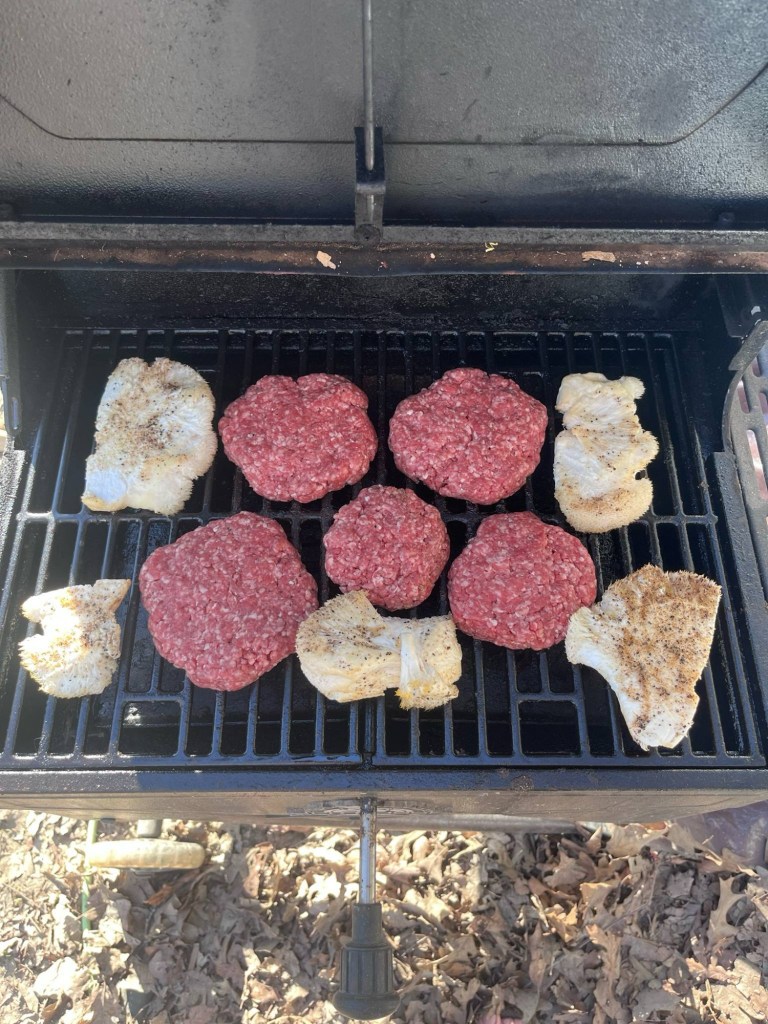
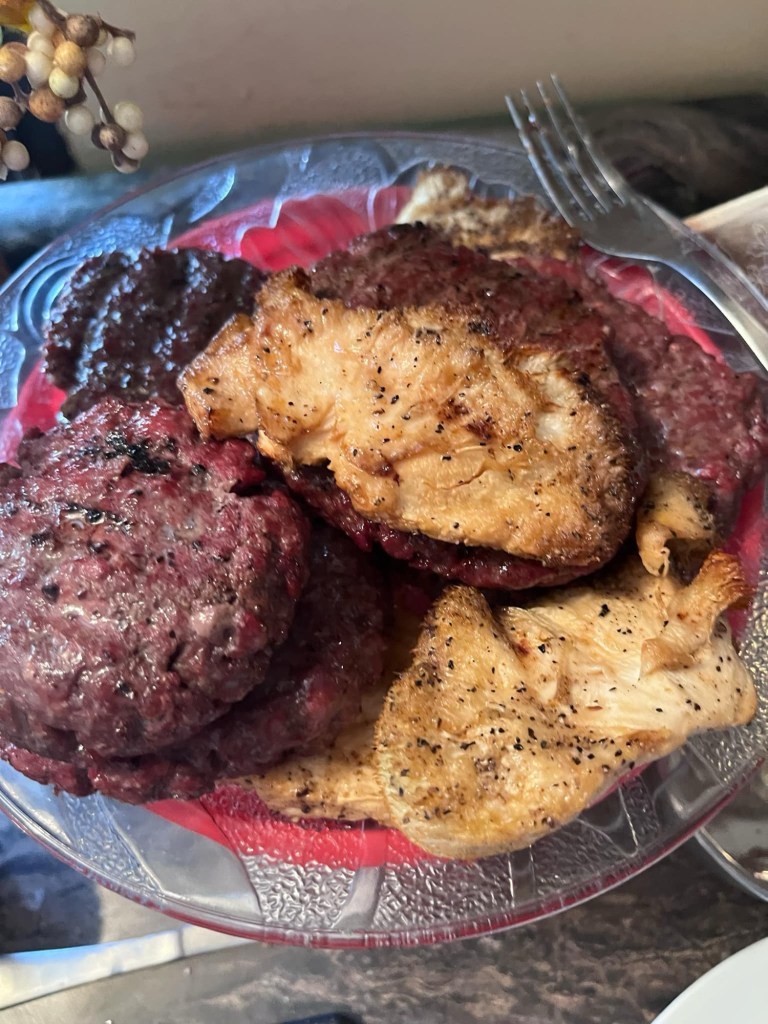
Lion’s Mane and hamburgers grilled to perfection

Marinade Idea: Bright Cap Summer Blend

Mix together:

2 tbsp olive oil 1 tbsp balsamic vinegar

1 tsp soy sauce 1/2 tsp garlic powder

A squeeze of lemon (Brush over mushrooms before grilling for a burst of tangy flavor.)

Serving Ideas

Serve grilled lion’s mane as a main dish with rice or salad Tuck oyster mushrooms into tacos with slaw and crema.

You can also add them to grilled veggie platters or pasta dishes.

Don’t forget to use leftovers in sandwiches or wraps!

Where to Get Your Grill-Ready Mushrooms

You can find our fresh mushrooms weekly at the Jackson, MO or Cape Girardeau, MO farmers markets (check Facebook to see where we’ll be each week), or order directly from our website order store for local pickup at the Sale Barn Friday Market, Friday mornings in Poplar Bluff. If you are a restaurant or plan to buy 3 pounds or more please contact us directly at (573) 609-4655! We have bulk discounts.

Stock up, because grilled mushrooms go fast!

We are wishing you a delicious, mushroom-filled summer!

– The Bright Cap Mushroom Farm Team❤️

A Guide to Handling, Preparing, and Storing Golden Oyster Mushrooms

🌟 Golden Oyster Mushrooms: Storage, Prep, & Cooking Tips from the Farm

We’re excited to offer Golden Oyster mushrooms! These vibrant yellow mushrooms aren’t just beautiful, they’re packed with delicate flavor and cook up into something truly special.

Whether you’re new to cooking with oysters or a mushroom enthusiast looking for tips, here’s everything you need to know about storing, handling, preparing, and cooking Golden Oyster mushrooms for the best flavor and texture.

How to Store Golden Oyster Mushrooms

Golden Oysters are more delicate than heartier varieties like shiitakes, so proper storage is key:

Refrigerate immediately in a paper bag or a breathable container (like a cardboard produce box). Avoid plastic, it traps moisture and speeds up spoilage. Store in the main part of your fridge, not the crisper drawer (which is often too humid). Use within 3–5 days for the best texture and flavor.

If your mushrooms start to look a little dry around the edges, they’re still usable, just cook them soon!

Handling & Cleaning

Golden Oysters grow in beautiful, clustered “bouquets” and are usually quite clean when harvested. Here’s how to handle them:

Do not soak or rinse under running water. These mushrooms are like sponges and absorb water quickly, which can make them soggy. Instead, brush off any visible dirt using a soft pastry brush or a dry paper towel. Trim off the base of the cluster if it’s woody or tough.

Preparation Tips

Once cleaned, these mushrooms are ready to cook! Some ways to prep them:

Pull them apart gently by hand into bite-sized pieces. You can leave the smaller caps whole, because they get wonderfully crisped when cooked. Discard (or save for stock!) any tough stem portions.

How to Cook Golden Oyster Mushrooms

Golden Oysters shine when cooked simply, so let their flavor take center stage! Here are a few cooking methods to try:

Sautéing (Our Favorite, this is what we do at home)

Heat a bit of avocado oil, olive oil, or butter in a skillet over medium-high heat. Add mushrooms in a single layer and leave them alone for a few minutes to get crispy edges. Stir occasionally until golden brown. Finish with a sprinkle of salt, pepper, or fresh herbs.

Sautéing our Pink oyster mushrooms with the method listed above! So good.

Roasting

Toss with oil, salt, and pepper. Roast at 400°F for 15–20 minutes until crispy and lightly browned.

Grilling or Pan-Frying

Use whole clusters or large pieces for visual impact. Brush with oil and grill or fry until golden.

Bonus Ideas:

Add to pastas, stir-fries, grain bowls, omelets, or even top your avocado toast. Make golden mushroom chips by pan-frying thin pieces until crispy!

🧡 From Our Farm to Your Table

Golden Oysters are a gorgeous variety we’re proud to grow right here at Bright Cap Mushroom Farm. If you’ve picked some up recently, we hope these tips help you enjoy them to the fullest! Have a favorite way to prepare them? Let us know on our Facebook page! We love seeing how our customers bring these mushrooms to life in their kitchens.

A Guide to Handling, Preparing, Storing, and Cooking with Lion’s Mane Mushrooms

Lion’s mane mushrooms (Hericium erinaceus) are a gourmet delicacy known for their unique, shaggy appearance and seafood-like flavor. Their soft, almost fluffy texture makes them a fantastic substitute for crab or lobster in many dishes. Whether you’re new to lion’s mane or looking to perfect your preparation, this guide will help you handle, store, and cook with them for the best results.

Handling Lion’s Mane Mushrooms

Lion’s mane mushrooms are more delicate than other mushrooms, with a soft, spongy texture that can absorb water easily. To keep them in peak condition:

• Handle them gently to avoid compressing their structure.

• If purchasing fresh, look for firm, dry mushrooms with minimal browning.

• If they’re slightly damp, allow them to air dry on a paper towel before storing.

Preparing Lion’s Mane Mushrooms

Since lion’s mane mushrooms naturally grow in clumps, a little prep work is needed before cooking:

1. Cleaning: Avoid soaking them in water, as they can become waterlogged. Instead, brush off any dirt with a soft brush or dry paper towel. If necessary, a quick rinse is fine—just pat them dry immediately.

2. Trimming: The base where the mushroom was attached to the growing medium can be tough and may need to be trimmed off.

3. Tearing vs. Slicing: Instead of cutting them with a knife, try pulling them apart into bite-sized pieces by hand. This preserves their natural texture and allows for even cooking.

Storing Lion’s Mane Mushrooms

To keep lion’s mane fresh for as long as possible:

• Store them in a breathable paper bag or wrapped loosely in a paper towel inside a container in the refrigerator.

• Avoid sealing them in plastic, as excess moisture can cause them to spoil quickly.

• Fresh lion’s mane mushrooms typically last 5–7 days when stored properly.

• For long-term storage, you can dry them using a dehydrator or air-dry them until crisp, then store them in an airtight container.

Cooking with Lion’s Mane Mushrooms

Lion’s mane mushrooms have a meaty, seafood-like texture and absorb flavors beautifully. Here’s how to cook them for the best taste and texture:

1. Sautéing (Best for Simple Dishes)

• Heat a dry skillet over medium heat to remove excess moisture from the mushrooms.

• Once they begin to brown slightly, add a small amount of butter or oil and sauté until golden and crisp.

• Season with salt, pepper, and garlic for a simple, delicious dish.

2. Roasting (Great for Crispiness)

• Preheat the oven to 375°F (190°C).

• Toss mushroom pieces in olive oil, salt, and any preferred seasonings.

• Spread them on a baking sheet and roast for 20–25 minutes, flipping halfway through, until crispy and golden.

3. Using as a Seafood Substitute

• Lion’s mane makes an excellent substitute for crab or lobster. Try shredding them and mixing with mayo, breadcrumbs, and Old Bay seasoning to make “crab” cakes.

• They also work well in chowders, stir-fries, and pasta dishes for a rich, umami boost.

Final Thoughts

Lion’s mane mushrooms are not only delicious but also packed with potential health benefits, including cognitive support and anti-inflammatory properties. With proper handling, storage, and cooking techniques, you can fully enjoy their incredible flavor and texture in a variety of dishes. Whether sautéed, roasted, or used as a seafood alternative, lion’s mane is a gourmet ingredient worth incorporating into your kitchen.

A Guide to Handling, Preparing, Storing, and Cooking with Grey Dove Oyster Mushrooms

Grey Dove oyster mushrooms (Pleurotus ostreatus) are a delicious and versatile gourmet mushroom with a mild, savory flavor and delicate texture. Their soft, fan-shaped caps and short stems make them ideal for sautéing, roasting, and adding to soups or stir-fries. Whether you’re growing them at home or buying them fresh, proper handling, preparation, and storage will help you get the most out of these flavorful mushrooms.

Handling Grey Dove Oyster Mushrooms

Grey Dove oysters are more fragile than button or portobello mushrooms, so they require gentle handling:

• If they come in a cluster, keep them together until you’re ready to use them, as this helps maintain freshness.

• Avoid squeezing them because excess pressure can bruise their soft caps.

• If harvesting homegrown mushrooms, cut them at the base with a sharp knife rather than pulling them, which can damage the mycelium.

Preparing Grey Dove Oyster Mushrooms

Grey Dove oysters require minimal prep before cooking. Follow these simple steps:

1. Cleaning: These mushrooms grow on clean substrates and don’t need much cleaning. Instead of rinsing them, use a soft brush or dry paper towel to remove any debris. If they must be washed, give them a quick rinse and pat them dry immediately.

2. Trimming: The base of the cluster can be a little tough. Trim off any hard or woody parts before cooking.

3. Tearing vs. Slicing: Instead of slicing with a knife, try pulling them apart by hand into bite-sized pieces. This helps maintain their natural shape and delicate texture.

Storing Grey Dove Oyster Mushrooms

Proper storage ensures your mushrooms stay fresh longer:

• Refrigeration: Store them in a paper bag or wrap them loosely in a paper towel inside a ventilated container in the fridge. Avoid plastic bags, which trap moisture and cause them to spoil faster.

• Shelf Life: Fresh oyster mushrooms last about 5–7 days when stored correctly. If they develop a slimy texture or strong odor, they should be discarded.

• Freezing: If you want to store them longer, briefly sauté them in butter or oil before freezing. Raw oyster mushrooms don’t freeze well due to their high water content.

• Drying: You can also dehydrate them and store them in an airtight container for months. To use, simply rehydrate in warm water before cooking.

Cooking with Grey Dove Oyster Mushrooms

Grey Dove oysters have a mild, slightly sweet, and umami-rich flavor that pairs well with a variety of dishes. Their tender texture makes them perfect for quick-cooking methods.

1. Sautéing (Best for Preserving Texture & Flavor)

• Heat a dry pan over medium heat to remove excess moisture.

• Once they release some water, add a bit of oil or butter and cook until golden brown, about 5–7 minutes.

• Season with salt, garlic, or fresh herbs for a simple, flavorful dish.

2. Roasting (Great for Deepening Flavor)

• Preheat the oven to 375°F (190°C).

• Toss mushroom pieces with olive oil, salt, and pepper.

• Spread them in a single layer on a baking sheet and roast for 20–25 minutes, flipping halfway through, until slightly crispy.

3. Stir-Frying (Ideal for Quick Meals)

• Heat oil in a wok or skillet over high heat.

• Add the mushrooms and cook for 3–5 minutes, stirring frequently.

• Mix with soy sauce, ginger, and vegetables for a flavorful stir-fry.

4. Adding to Soups & Stews (Enhancing Umami)

• Add mushrooms to broths, soups, or stews in the last 10 minutes of cooking.

• They absorb flavors well and provide a meaty texture to vegetarian dishes.

Final Thoughts

Grey Dove oyster mushrooms are a fantastic ingredient for anyone who enjoys cooking with fresh, gourmet mushrooms. With their mild flavor, tender texture, and versatility in recipes, they’re an excellent addition to any meal. By handling them gently, storing them properly, and using the right cooking techniques, you can fully enjoy their rich, umami taste.

Health Benefits of Lion’s Mane Mushrooms

Lion’s mane mushrooms are not only a gourmet delicacy but also a powerful functional food with a wide range of health benefits. Used in traditional medicine for centuries, modern research supports their role in brain health, immune function, and overall wellbeing.

Lion’s mane mushrooms are known for supporting brain health and cognitive function. In a recent study by The University of Queensland, the compound found in lion’s mane that improves nerve growth and memory was discovered. “Laboratory tests measured the neurotrophic effects of compounds isolated from Hericium erinaceus on cultured brain cells, and surprisingly we found that the active compounds promote neuron projections, extending and connecting to other neurons” (The University of Queensland et al.). It is thought that the lion’s mane mushroom can potentially improve the memory, focus, and learning ability of the consumer and in turn reduce the risk of neurodegenerative diseases like Alzheimer’s and Parkinson’s.

If having a sharper memory and better focus wasn’t enough, it is theorized that eating lion’s mane mushrooms may reduce symptoms of anxiety and depression. “Another study reported that supplements containing 80% mycelium extract and 20% fruiting body from Lion’s mane significantly improved feelings of depression and anxiety and enhanced sleep after 8-weeks of use.5 (Institute for Natural Medicine Staff) Researchers are currently looking at the lion’s mane mushroom as a promising potential treatment for anxiety and depression (Chong et al.).

The list of benefits goes on, and there is expansive information on this topic, but other benefits of lion’s mane mushrooms include: they support nerve repair and recovery, boost immune system function, support gut health and digestion, and may help regulate blood sugar and heart health.

With health benefits like these, who could pass on lion’s mane mushrooms with dinner tonight? Here at Bright Cap Mushroom Farm, your local mushroom farm in Southeast, MO, you have access to fresh lion’s mane mushrooms year round. Visit our preorder store or check our Facebook page to see what local farmers market we’ll be at this week to see where you can secure your share of the harvest❤️

Works Cited

Chong, Pit Shan, et al. “Therapeutic Potential of Hericium Erinaceus for Depressive Disorder.” International Journal of Molecular Sciences, vol. 21, no. 1, 25 Dec. 2019, p. 163, https://doi.org/10.3390/ijms21010163.

Staff, Institute for Natural Medicine. “More than a Mushroom: Benefits of Lion’s Mane.” INM, 20 Apr. 2023, naturemed.org/the-amazing-health-benefits-of-lions-mane-mushrooms/.

The University of Queensland, et al. “Mushrooms Magnify Memory by Boosting Nerve Growth.” UQ News, http://www.uq.edu.au/news/article/2023/02/mushrooms-magnify-memory-boosting-nerve-growth-0.